Skip to content
Cú Chulainn
- Debate over the correct original name spelling (Sétanta vs. Séadanta): Editors discussed whether his birth name should be spelled “Sétanta” or “Séadanta.” Some argued “Séadanta” reflects modern Irish spelling, while others confirmed “Sétanta” is correct based on early medieval manuscripts like the Lebor na hUidre and Book of Leinster.
- Concerns about missing citations and Good Article status: Editors worried the article contained uncited statements and might lose its “Good Article” rating. Contributors worked to add citations, fix unsupported claims, and improve sourcing. After review in 2025, the article kept its Good Article status.
- Disagreements about interpretation and wording of sources: Editors pointed out that certain claims, such as describing a passage as “the most elaborate description,” could be considered original research unless explicitly supported by scholarly sources. This led to revisions and stronger citation requirements.
- Discussion about conflicting mythological traditions: Editors noted inconsistencies regarding his romantic relationships, especially whether he had many lovers or only one besides his wife Emer. This reflects challenges in presenting myths that exist in multiple versions and traditions.
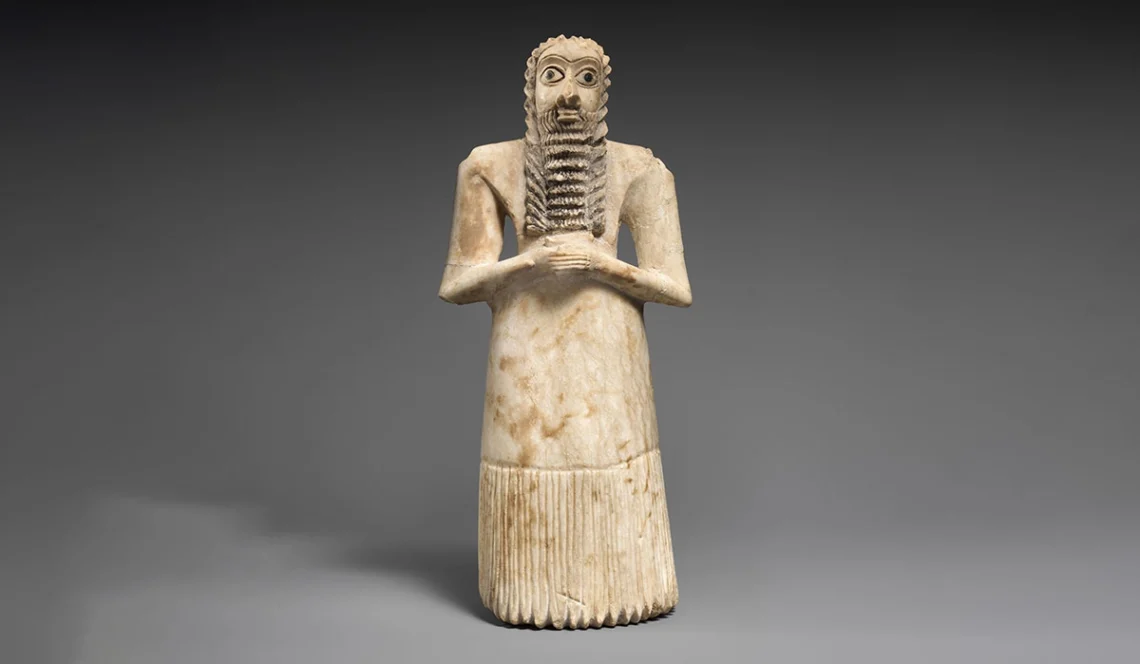
Gilgamesh
- Debate over BC vs. BCE dating style: Editors disagreed on whether to use “BC” or “BCE” in the article. Some argued BCE is more neutral and appropriate for a non-Christian Mesopotamian figure, while others said Wikipedia policy allows either and that consistency should be maintained with the original BC usage.
- Discussion about the correct name (“Gilgamesh” vs. “Bilgames”): Editors noted that the original Sumerian name is “Bilgames,” while “Gilgamesh” comes from later Akkadian versions. There was debate over whether the article should use the historically earlier Sumerian name more often, but most agreed “Gilgamesh” should remain since it is the most commonly recognized name.
- Concerns about accuracy and historical details: Editors pointed out errors or confusing information, such as incorrect publication dates related to Assyriologist George Smith and confusion between when Gilgamesh supposedly ruled and when the Epic was written. These discussions focused on improving factual accuracy.
- Suggestions to improve cultural and religious context: Some editors argued the article should better explain Gilgamesh’s influence on other traditions, including possible connections to the Hebrew Bible, rather than focusing mainly on Greek influence. This reflects ongoing efforts to make the article more balanced and complete.
Inanna
- Major debate over article title (“Inanna” vs. “Ishtar”): Editors strongly disagreed about whether the article should be renamed after Ishtar, since Ishtar is more widely known in later Akkadian tradition. Some argued they are the same deity and Ishtar is more common, while others insisted Inanna should have priority because she is the original Sumerian form. The final decision was no consensus, so the article remained titled “Inanna.”
- Disputes over Greek comparisons, especially to Persephone: Editors argued about whether comparisons to Persephone were valid. Some said the comparison relied on weak or non-specialist sources and should be removed, while others insisted modern scholarly comparisons were acceptable. This led to ongoing debates about source reliability and academic authority.
- Editor conduct and neutrality concerns: The talk page included accusations of rude behavior, edit-warring, and attempts by individual editors to dominate the article. These conflicts raised concerns about neutrality, sourcing standards, and whether personal beliefs or fringe interpretations were influencing the article.
- Good Article status review and sourcing improvements: The article temporarily lost its “Good Article” designation due to issues with sourcing and neutrality. Editors worked to improve citations, remove questionable sources, and strengthen scholarly accuracy, and the article was later reassessed and kept after improvements.
Creative Commons License
- I would choose the Creative Commons Attribution-NonCommercial-ShareAlike 4.0 (CC BY-NC-SA 4.0) license for my site because it allows others to use and adapt my work for educational purposes while requiring credit and preventing commercial use. This supports open scholarship while protecting my authorship.