Over the course of this project, our team set out to create a digital archive that would preserve and interpret the long-standing tradition of Devil-Goat Day at the University of Mary Washington! As outlined in our original contract, our goal was not only to document the history of the event, but to make it accessible and engaging for both the UMW community and the broader Fredericksburg public. In many ways, the final product fulfills (and in some cases exceeds) those initial expectations.
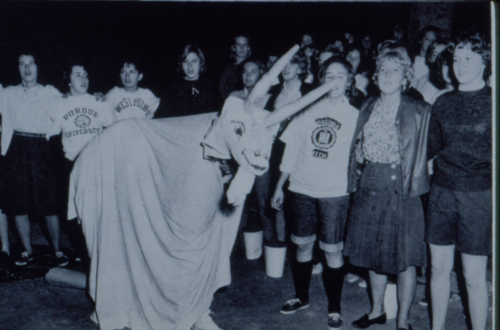
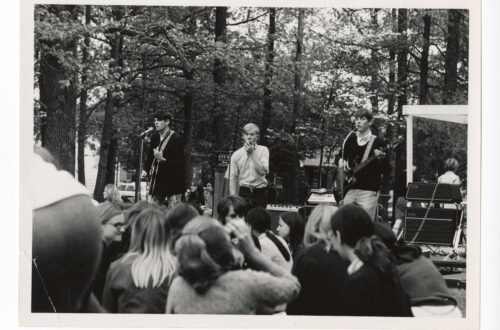
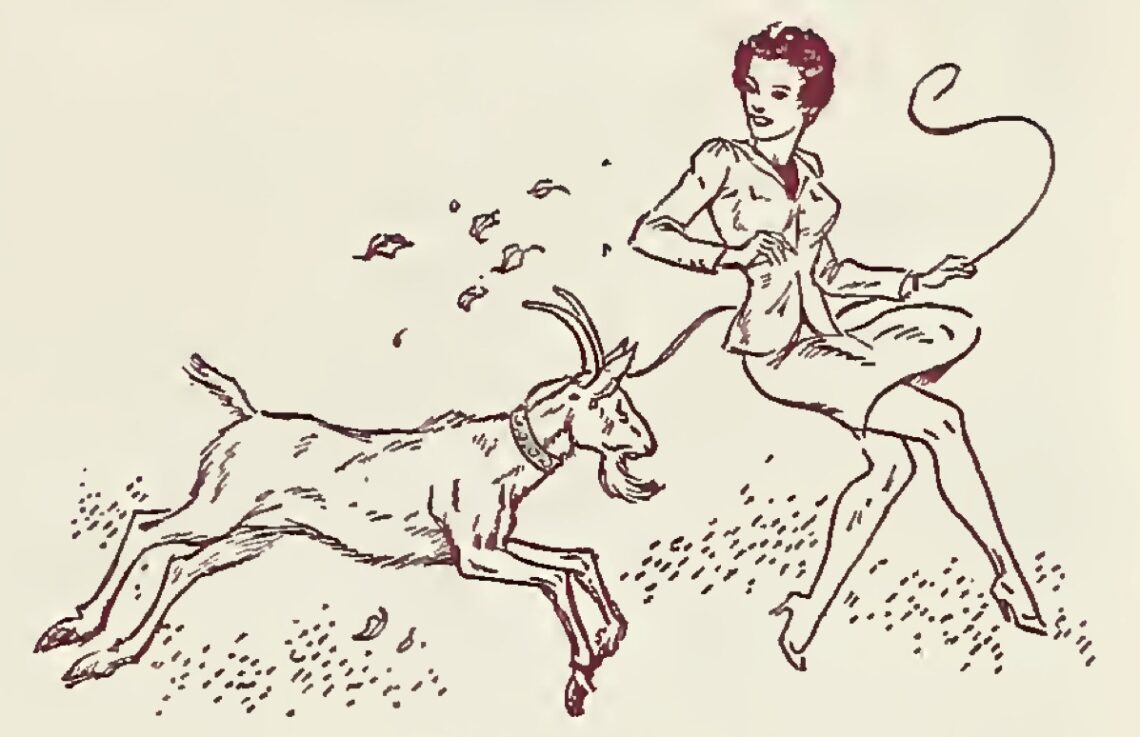
One of the most important aspects of our project was our collaboration with Simpson Special Collections & University Archives. By working directly with archival materials such as scrapbooks, photographs, and university publications, we were able to ground our digital exhibit in a range of primary sources. This gave the project both historical credibility and a tangible connection to the students who participated in Devil-Goat Day over the past century. Our decision to limit entries to ten per decade helped maintain a manageable scope while still allowing us to show change over time.
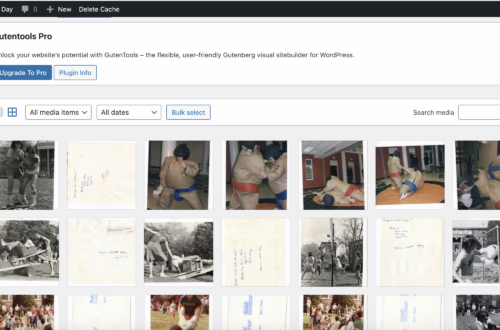
The structure of the website reflects our commitment to user engagement. Features such as the interactive timeline, decade-based organization, and sortable collections allow users to explore the material in multiple ways. This aligns closely with our mission to create a “dynamic resource” rather than a static archive. Additionally, our use of platforms such as WordPress and TimelineJS enabled us to present historical content in a format that is both visually compelling and easy to navigate!
Our outreach efforts also played a key role in achieving the project’s goals. Through social media, particularly Instagram, we worked to extend the archive beyond the website itself and into the daily digital lives of students and alumni. This not only increased visibility but also opened the possibility for community contributions, especially from alumni networks and local Fredericksburg history groups. While not all outreach efforts resulted in direct submissions, they nonetheless reinforced the project’s public-facing mission.
In terms of accessibility, we made a conscious effort to ensure that our site adhered to inclusive design principles. By incorporating high-contrast visuals, alt text, and captions, the archive is made more usable for a wider audience. The use of the WAVE tool further supported this goal by helping us identify and address potential accessibility issues.
There were, of course, challenges. Time constraints and the sheer volume of archival material required us to make selective decisions about what to include. Additionally, coordinating digitization and metadata across team members required consistent communication and organization. However, our division of labor and clear project roles allowed us to navigate these challenges effectively.
Ultimately, this project explores the value of digital humanities approaches in preserving and sharing institutional history. By combining archival research, digital tools, and public outreach, we have created a resource that not only documents Devil-Goat Day’s past but also invites continued engagement with its future, as per the centennial.